
· Updated
Best Night Cream in Pakistan: What Actually Works Overnight
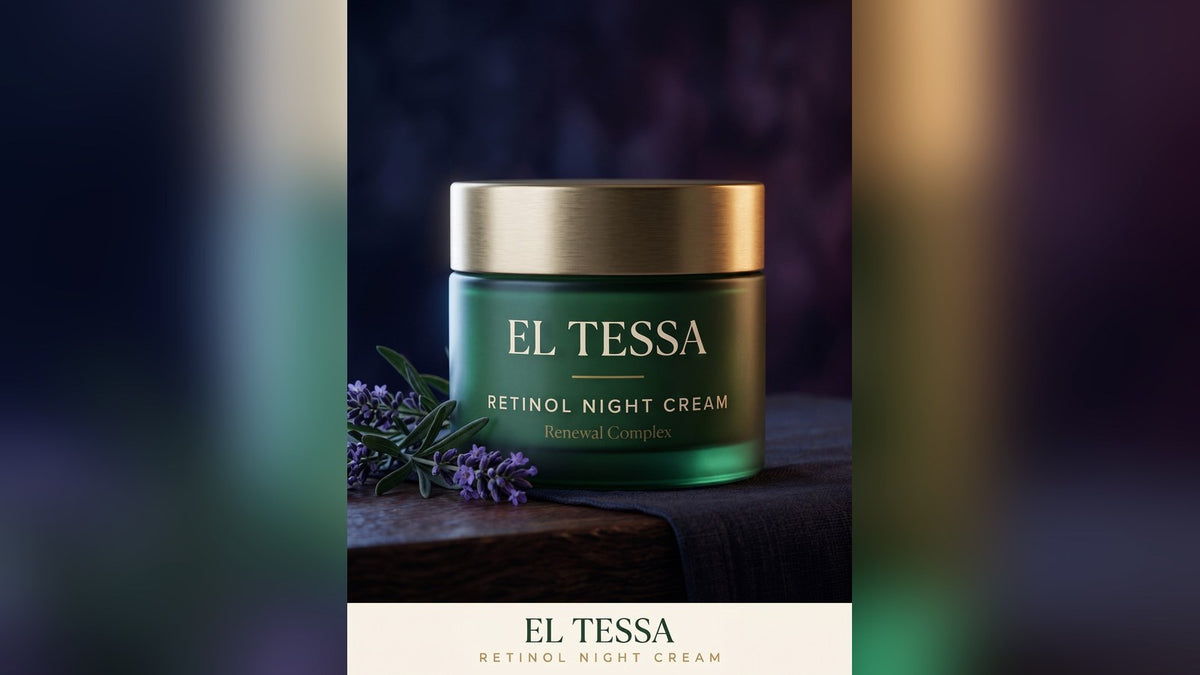
Quick answer: The best night cream in Pakistan is the one that matches your goal: retinol for fine lines and rough texture, niacinamide and antioxidants for dull skin, ceramides for dryness. A night cream cannot change your natural skin colour or replace sunscreen. Start gently, use it nightly, and judge it after four to eight weeks.
Night cream is one of the most oversold categories in Pakistani skincare. The promises on the jar — a new skin colour in seven nights, wrinkles gone in a month — are not things a cream can do. What a good night cream genuinely can do is worth understanding, because the real version is still useful.
A note on the links: EL TESSA makes the night cream and serums linked in this guide. The label checks below apply to any brand, ours included, and a well-made cream from another brand that passes them is a good choice too.
Why use a different cream at night?
Overnight, skin is not fighting sun, dust or pollution. Water loss through the skin is higher at night, and there is no sunscreen or makeup layered on top. That makes the evening the sensible time for two things:
- Richer moisture, because nothing has to sit on top of it.
- Ingredients that do not mix well with sunlight, particularly retinol and strong exfoliating acids.
That is the entire logic of a night cream. Not magic hours, not "skin repairs itself only at 10pm" — just a better window for heavier textures and light-sensitive actives.
What should a night cream contain?
If the goal is fine lines and texture
Retinol is the ingredient with the deepest evidence behind it for fine lines, texture and the look of pores. It is also the one most people misuse. Start two nights a week, not nightly. Expect some dryness or flaking in the first fortnight — that is the adjustment period, not damage, as long as it is mild.
Our Retinol Night Cream for Wrinkles (see current price) is built for this, and if you prefer the active in a lighter serum form before your cream, the Retinol Serum for Fine Lines is the same idea (see current price). If you have never used retinol before, read our beginner's guide to starting retinol before you buy anything — the order you do things in matters more than the brand.
If the goal is dullness and tired-looking skin
Look for niacinamide, peptides, and antioxidants, plus enough humectant to leave skin plump by morning. The Night Repair Serum for Dull, Tired Skin (see current price) is our answer here, and it layers under any cream.
If the goal is dryness
Ceramides, squalane, glycerin and fatty acids. Texture should be genuinely rich — a night cream that feels identical to your day lotion is not doing anything extra.
Read next: winter routine for dry skin.
Which night cream for which goal?
| Your goal | Look for | Start with | How to start |
|---|---|---|---|
| Fine lines and rough texture | Retinol | EL TESSA Retinol Night Cream or EL TESSA Retinol Serum for Fine Lines | Two nights a week, then build up |
| Dull, tired-looking skin | Niacinamide, peptides, antioxidants | EL TESSA Night Repair Serum | Every night, under any cream |
| Dry or tight skin | Ceramides, squalane, glycerin | A rich ceramide cream (see our moisturizer guide) | Every night, on slightly damp skin |
| Oily skin | A light gel-cream plus one treatment serum | See the oily skin routine | Serum first, light cream after |
What can a night cream not do?
This is the part most product pages skip.
- It cannot change your natural skin colour. Products can fade dark spots, sun damage and post-acne marks, which makes tone look more even and brighter. That is a real and worthwhile result. It is not the same as changing your complexion, and any jar promising that is selling you something that does not exist. We wrote about this at length in our guide to brighter, glowing skin.
- It cannot remove deep wrinkles. Retinol softens fine lines over months. Deep folds are structural.
- It cannot replace sunscreen. If you use retinol at night and skip SPF in the day, you are undoing the work and increasing sensitivity (DermNet: topical retinoids).
"Medicated" night cream — a warning
Many night creams sold in Pakistan as "medicated" or "instant glow" contain undeclared hydroquinone, mercury or strong steroids. Mercury in these creams is a real health risk: such products are banned in many countries but are still sold, including online (World Health Organization: mercury and health). They work quickly, which is exactly why they are dangerous — and when you stop, skin often comes back darker and thinner than it started, sometimes permanently.
Warning signs: no full ingredient list, no manufacturer address, a price that seems impossible, and results promised in days. We explained how to read this properly in what "medicated" skincare actually means. If a cream has no ingredient list, do not put it on your face.
How do you build a simple night routine?
Three steps is enough for most people:
- Cleanse. Remove sunscreen and the day properly. If you wear makeup or heavy sunscreen, cleanse twice.
- Treat. One active — retinol, or an exfoliating acid, or a repair serum. Not all three on the same night.
- Moisturise. The night cream, on slightly damp skin.
If you are using both retinol and an acid such as our Glycolic Acid 7% Toner, alternate nights. Using them together is the most common cause of a damaged barrier we see.
Read next: the correct order of skincare steps.
How much should a night cream cost?
Night cream prices vary widely. A very cheap one is often a basic cream with a night-time label, and a very expensive one often reflects import duty and brand more than a different formula.
What is worth paying for: a properly stabilised retinol, packaging that keeps light and air out, and a base that supports the skin barrier. Our Retinol Night Cream is listed at PKR 2,990 on its product page (checked 11 October 2026; see the current price). Opaque, air-tight packaging matters more than people realise - retinol and vitamin C both degrade in clear jars.
How long does a night cream take to work?
Hydration and smoothness: a few nights. Brightness and tone: four to eight weeks. Fine lines and texture with retinol: three to six months of consistent use. Anything promising faster than that is either an exfoliation effect that will plateau, or not telling you the truth.
Take a photo in the same light on day one. Memory is a terrible judge of slow change, and most people give up right before the point where it would have shown.
Recommended EL TESSA night routine
- EL TESSA Retinol Night Cream - retinol cream for fine lines and texture; start two nights a week
- EL TESSA Night Repair Serum - a light serum for dull, tired-looking skin
- EL TESSA SPF 60+ Sunblock - daily sunscreen, which protects the work you do at night
Pay by card and get 10% off, or choose pay on delivery (COD, Pakistan only). Delivery is free across Pakistan. See the full creams and moisturizers range.
Pregnant, breastfeeding or on skin medication? Ask your doctor before starting retinol, glycolic acid or salicylic acid. Timelines in this guide are typical ranges and vary from person to person. EL TESSA products are cosmetics, not medicines.
Frequently asked questions
Can I use night cream in the morning?
You can if it contains no retinol and no strong acids, though the texture is often too heavy for daytime under sunscreen. If it does contain retinol, keep it to night use.
At what age should I start using a night cream?
Moisturising at night is fine at any age. Retinol is usually worth starting in the mid-twenties to early thirties, or earlier if a dermatologist recommends it for acne or texture.
Can oily skin use a night cream?
Yes, but choose a lighter texture. Oily skin often does better with a treatment serum plus a gel-cream than with a traditional heavy night cream.
Is it normal for retinol to cause peeling?
Mild dryness or flaking in the first two to three weeks is common. Burning, swelling or raw patches are not — stop and let the barrier recover, then restart at a lower frequency.
Do I still need sunscreen if I use a night cream?
Yes, and more than before. Retinol and acids increase sun sensitivity, so daily SPF is what protects the progress you are making at night.
Read next: sunscreen guide for Pakistan.