
· Updated
How to Get Rid of Blackheads on the Nose in Pakistan
Almost everyone in Pakistan has them: those small dark dots across the nose and the sides of the chin that never quite go away. You scrub, you steam, you squeeze, you buy a strip that rips them out for two days, and then they are back.
That cycle continues because blackheads are usually misunderstood. They are not dirt. You cannot wash them off, and scrubbing harder makes the problem last longer.
What a blackhead actually is
A blackhead is a pore filled with a plug of your own oil and dead skin cells. Because the top of that pore is open to the air, the oil oxidises - exactly the way a cut apple turns brown. The dark colour is oxidation, not grime.
This matters, because it tells you what will and will not work. Nothing applied to the surface can scrub out a plug that sits inside the pore. What clears a blackhead is something that gets into the pore, loosens the plug, and slows the oil that refills it.
Why the nose is always the worst area
Your nose, forehead and chin have the highest density of oil glands on your body. Add Pakistan's heat, humidity and dust, and those glands work harder than they would in a cooler climate. Karachi humidity keeps skin producing; Lahore and Islamabad add dust and smog that mixes into the oil at the surface.
So blackheads on the nose are not a hygiene failure. They are the predictable result of the oiliest area of your face meeting a dusty, hot climate.
Read next: open pores treatment guide.
What actually works
1. Salicylic acid, 2%
Salicylic acid is a BHA, and the reason it matters for blackheads is that it is oil-soluble (Arif, Clinical, Cosmetic and Investigational Dermatology, 2015). It can travel down into an oil-filled pore, dissolve the plug from the inside and let it clear. AHAs like glycolic acid work on the surface, which is useful for texture but not for a blocked pore.
Use it as a cleanser on the oily zone or as a leave-on treatment at night, and give it time. If you want the full explanation of how it behaves inside the pore, read what salicylic acid is and how 2% BHA works. For a daily cleanser version, a salicylic acid face wash keeps the treatment going every day without irritating the rest of the face.
2. A charcoal cleanser for the oily zone
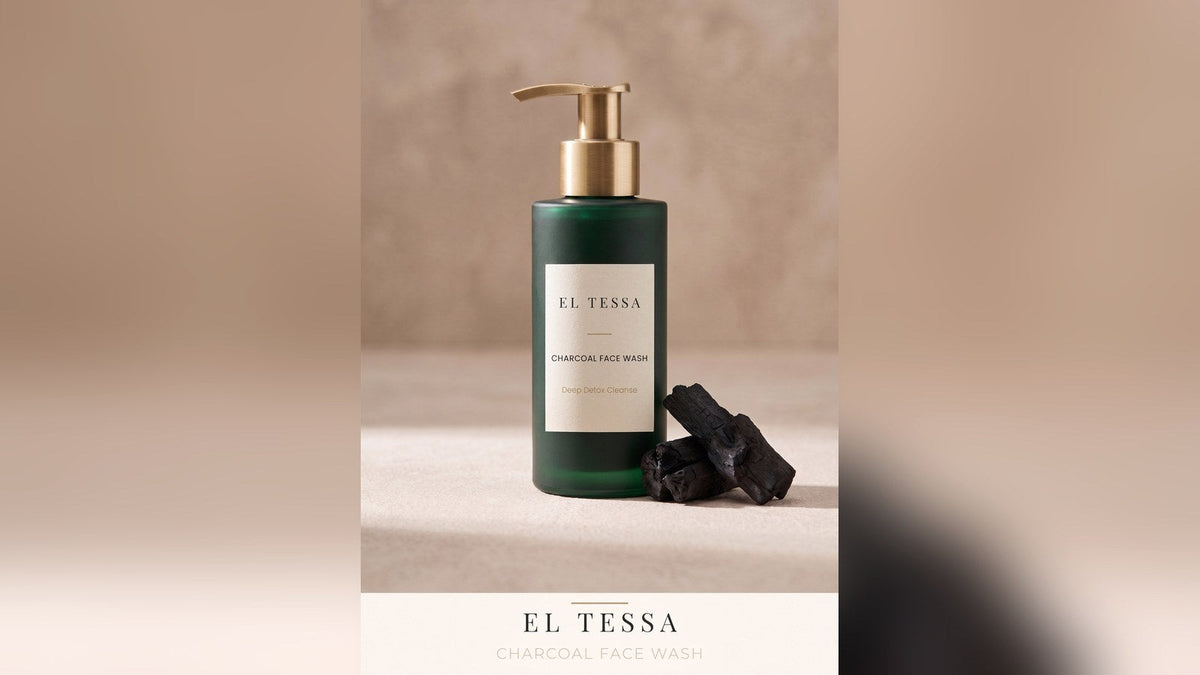
Activated charcoal is good at lifting surface oil, and less surface oil means less material waiting to slide into the pore. It will not pull out an existing plug, and any brand that tells you it will is overselling it. Used as a daily or alternate-day wash on an oily T-zone, though, it keeps the area from re-loading between treatments - which is what an activated charcoal face wash is genuinely for.
3. Niacinamide to slow the oil
Clearing blackheads is only half the job. If the glands keep producing at the same rate, the pores refill in a few weeks. Niacinamide at 4% to 10% reduces how much oil the skin makes and, over time, makes the opening look smaller because it is not being stretched. A niacinamide pore minimizer serum is the maintenance step, not the emergency step.
Read next: niacinamide serum guide.
4. Sunscreen, every morning
This sounds unrelated and it is not. UV breaks down the collagen that holds the pore opening tight, so sun-damaged skin has visibly larger pores. If you are treating blackheads without daily sunscreen, you are undoing part of your own work.
What does not work - and what makes it worse
- Pore strips. They pull off the top of the plug and leave the rest behind in a pore that is now stretched wider. Satisfying, temporary, counterproductive.
- Squeezing with your nails. This is how a blackhead becomes an infected pimple, and how you end up with a dark mark that lasts months. The NHS also advises against picking or squeezing spots (NHS: acne).
- Scrubs with rough grains. Physical scrubs damage the barrier. A damaged barrier produces more oil, not less.
- Toothpaste, lemon juice, baking soda. Every one of these is far too alkaline or acidic for facial skin. They cause irritation that looks like progress for a day and costs you weeks.
- Steaming. Steam softens the plug briefly. It does nothing lasting, and the heat can leave redness on sensitive skin.
A routine that clears the nose in eight weeks
Morning: gentle wash, niacinamide serum, oil-free moisturiser, sunscreen.
Night: salicylic acid cleanser on the oily zone, moisturiser. Nothing else for the first two weeks.
Once your skin is comfortable with that, you can add a leave-on exfoliant twice a week - but never stack salicylic acid, glycolic acid and a scrub in the same routine. One active at a time is faster than three, because three break the barrier and the barrier is what keeps oil production stable.
Read next: 4-step routine for oily skin.
An honest timeline
- Week 1-2: less surface oil by the afternoon. Blackheads look the same.
- Week 3-4: the smallest ones start to clear. Skin feels smoother under your fingertips before it looks different in the mirror.
- Week 6-8: a visible difference across the nose, and fewer new ones forming.
- Ongoing: blackheads are a maintenance condition, not a one-time fix. Stop the routine and oily skin will refill the pores within a month or two.
When to see a dermatologist
If the dots on your nose are painful, if they are spreading into deep cysts along the jawline, or if eight weeks of consistent treatment has changed nothing, that is a dermatologist visit rather than a new product. Hormonal acne and fungal folliculitis both get mistaken for blackheads and both need a prescription.
The short version
Blackheads are oxidised oil inside the pore. Salicylic acid clears them, niacinamide keeps them from coming back, sunscreen protects the pore opening, and strips and squeezing make everything worse. Give it eight weeks and be boring about it - boring is what works.
EL TESSA products are sealed and genuine, with pay on delivery (COD) across Pakistan and free delivery. Open the parcel, check it, then pay.
Shop the full acne and pore care range for breakouts, blackheads and open pores.