
· Updated
How to Start Retinol: A Beginner's Guide Without Wrecking Your Skin
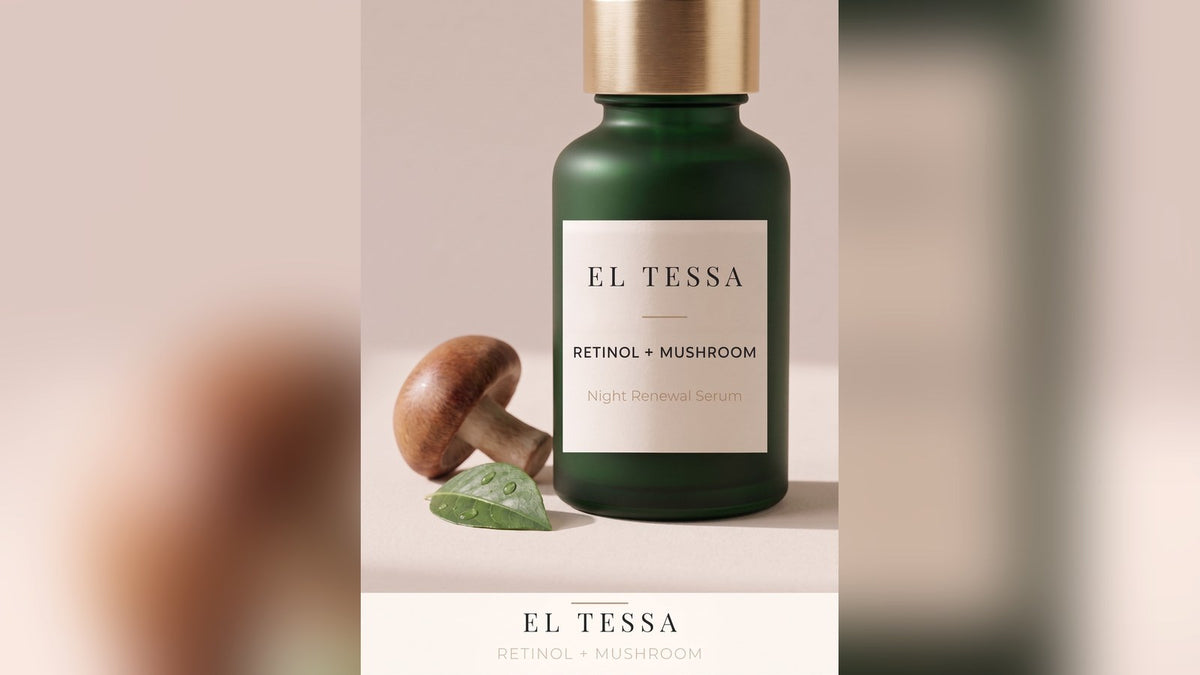
Retinol has more research behind it than any other anti-aging ingredient — and more half-used bottles abandoned in drawers across Pakistan, because most people start it wrong, get a week of flaking, and quit. This guide is how to start it right.
What does retinol do?
Retinol is a form of vitamin A that speeds up skin cell turnover and supports collagen. Over months — not days — fine lines soften, rough texture smooths, and tone looks renewed. It is genuinely effective, and genuinely slow. Both things are true.
At what age should you start?
There is no magic age. Most dermatologists suggest the late twenties to early thirties as a sensible starting window for prevention, or whenever fine lines and texture start bothering you. Earlier than that, sunscreen alone is the better investment.
Serum or cream?
Read next: best night cream in Pakistan.
- Serum (like our Retinol + Mushroom Serum) — more direct. The mushroom extract buffers irritation, which makes it beginner-friendly for oily and combination skin.
- Night cream (like our Retinol Night Cream) — the same active cushioned in moisturizer. The gentler road, best for normal to dry skin.
The starting protocol — follow this exactly
- Week 1–2: two nights a week. Clean, completely dry face. A pea-sized amount or 3–4 drops. Moisturizer on top.
- Week 3–4: three nights a week if there is no persistent redness.
- Month 2 onward: every second night, then nightly if your skin allows. Many people stay at 3–4 nights a week forever — that is fine. Consistency beats frequency.
Sunscreen every single morning is part of the protocol. Retinol makes skin more sun-sensitive (DermNet: topical retinoids), and in Pakistani sun, retinol without SPF does more harm than good. See our SPF 60+ Sunblock.
Read next: the correct order of skincare steps.
Read next: what SPF means and which sunscreen to buy.
"Retinol uglies" — the adjustment phase
Mild dryness, light flaking, or a little tightness in the first two to four weeks is normal adjustment. Reduce frequency and continue. Burning, swelling, or a rash is not normal — stop, let skin recover fully, and restart slower or with the cream version.
What not to combine it with
- Glycolic or salicylic acid on the same night — alternate nights instead.
- Vitamin C in the same application — vitamin C mornings, retinol nights.
- Physical scrubs — not needed, and harsh on adjusting skin.
When not to use it at all
- Pregnancy or breastfeeding — do not use retinol without your doctor's explicit approval.
- Currently sunburnt, irritated, or broken-out-from-a-damaged-barrier skin — heal first.
- Alongside prescription acne treatment, without asking your dermatologist.
The honest timeline
| Time | Realistically |
|---|---|
| Week 1–4 | Adjustment. Possible mild flaking. No visible results yet — this is normal. |
| Week 8–12 | Smoother texture, fresher tone. |
| Month 4–6 | Visible softening of fine lines. |
| Month 6+ | The compounding benefits people write love letters about. |
Anyone promising retinol results in a week is selling you something. It is a six-month relationship, and it is worth it.
General skincare information, not medical advice. EL TESSA products are cosmetics, not medicines. Patch-test before use.
Free delivery across Pakistan, pay on delivery (COD) available. Unsure which retinol suits you? Ask us — we answer honestly, even if the answer is "start with sunscreen first."