
· Updated
Niacinamide vs Vitamin C: Which One Does Your Skin Actually Need?
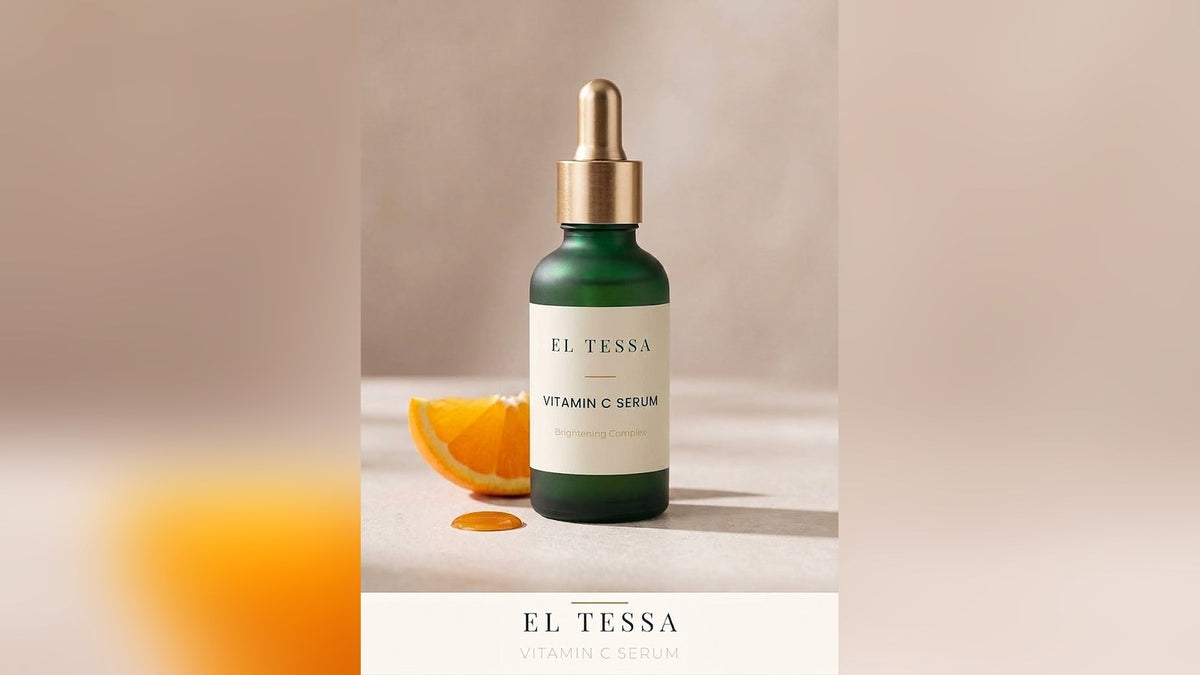
Niacinamide vs vitamin C is the most common question we get from people building their first real routine — usually because they can only buy one serum and want to buy the right one. Search results for it are written for American and Indian audiences. Here is the answer for skin living through Pakistani sun, dust and humidity.
Short answer first
- Dark spots, acne marks, sun damage, dullness → vitamin C
- Oiliness, large-looking pores, redness, a barrier that keeps getting irritated → niacinamide
If you genuinely cannot decide, buy a vitamin C serum first. In this climate, UV-driven pigmentation is the problem most Pakistani skin is actually dealing with.
A note on the links: EL TESSA makes the serums, moisturizer and cleansers linked on this page. Any well-made product with the same active ingredient is a good alternative, and the advice below works the same way.
Niacinamide vs vitamin C at a glance
| Vitamin C | Niacinamide | |
|---|---|---|
| What it is | An antioxidant | A form of vitamin B3 |
| Best for | Dark spots, acne marks, sun damage, dullness | Oiliness, large-looking pores, redness, an irritated skin barrier |
| Effect on pigmentation | Strong: its main job | Mild: slower and gentler |
| Sensitive skin | High strength can sting; start every other morning | The most tolerant common active |
| When to use | Morning, under sunscreen | Night, in a simple routine |
| Needs sunscreen | Yes, every morning | Yes, every morning |
What vitamin C does
Vitamin C is an antioxidant that interferes with melanin production and helps repair the damage daylight causes (Telang, Indian Dermatology Online Journal, 2013). In practice it works on:
- Dark spots and post-acne marks
- Uneven skin tone and general dullness
- Early sun damage
It is a morning ingredient. Its real job is to sit under your sunscreen and reduce the damage that gets through. Using it at night is not harmful, it is just a waste of its best quality.
Honest timeline: 4 to 6 weeks before you see spots fading, and the oldest marks fade last. Anyone promising a week is selling you something else.
Who struggles with it: very sensitive skin sometimes finds high-strength vitamin C stinging. Start every other morning.
Read next: how to use a vitamin C serum.
What niacinamide does
Niacinamide is a form of vitamin B3, and it is the most tolerant active in common use. It works on:
- Oil control — it regulates sebum, so skin looks less shiny by afternoon
- Pore appearance — pores full of oil look bigger; keep them clear and they look smaller
- Barrier repair — it helps skin hold water, which is why it calms redness and irritation
- Mild pigmentation — slower and gentler than vitamin C, but it does help (Boo, Antioxidants, 2021: review of niacinamide)
Honest timeline: 4 to 8 weeks for oil and texture. Faster than vitamin C on comfort, slower on spots.
Who it suits: almost everyone, including people whose skin reacts to everything else. If your face has been damaged by scrubs or fairness creams, niacinamide is where you start — before any brightening product.
Read next: full niacinamide serum guide.
Can you use them together?
Yes. The old internet claim that niacinamide "cancels out" vitamin C comes from a laboratory study using unstable raw ingredients at high heat. Modern formulations do not behave that way.
That said, the simplest approach works best in this climate:
- Morning: vitamin C → moisturiser → SPF
- Night: niacinamide (or your treatment active) → moisturiser
If your skin is sensitive, keep them at opposite ends of the day rather than layering. Fewer actives used properly beat a crowded shelf used badly.
What neither of them will do
Neither ingredient changes your complexion. Both work on pigmentation — spots, marks, unevenness — not on the skin colour you were born with. Any product marketed on a colour change is either overpromising or contains steroids or hydroquinone, and the damage from those is far harder to undo than the pigmentation you started with.
Neither one works without sunscreen either. In Pakistani daylight, skipping SPF undoes both faster than they can work. That is not an upsell line, it is the reason most routines here fail.
What to buy first
If your main problem is marks and dullness: start with vitamin C serum in the morning, and add SPF 60+ sunblock over it. Those two together outperform any four-step routine without sunscreen.
If your main problem is oil and pores: start with an oil free moisturizer and a cleanser that suits you — salicylic acid face wash if you break out, charcoal face wash if it is mostly blackheads.
If your skin is irritated right now: treat nothing. Cleanse gently, moisturise, wear SPF, and give it two weeks. Then add one active.
Everything is sealed and shipped with pay on delivery (COD) across Pakistan, with free nationwide delivery — open the parcel, check it, then pay.
One last piece of free advice: photograph your face before you start, in the same light, and do not look at it again for six weeks. The most common reason people abandon a serum is not that it failed. It is that they had nothing to compare against.
Read next: how to choose a vitamin C serum in Pakistan.
Shop the full brightening and glow range for dark spots, dullness and uneven tone.